Probate Attorney in Pensacola, Florida
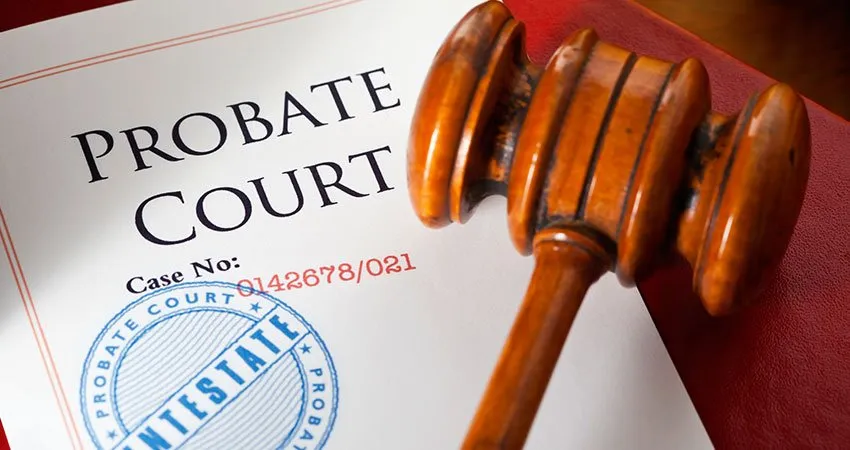
When a loved one dies, the estate may have to go through a process called probate. Probate is necessary to pass ownership of the decedent’s probate assets to the decedent’s beneficiaries. If the decedent left a valid will, unless the will is admitted to probate in the court, it will be ineffective to pass ownership of probate assets to the decedent’s beneficiaries. If the decedent had no will or no estate plan at all, probate is necessary to pass ownership of the decedent’s probate assets to those persons who are to receive them under Florida law. A trusted Pensacola probate attorney can provide guidance to help you understand the probate process.
Probate is also necessary to wind up the decedent’s financial affairs. Administration of the decedent’s estate ensures that the decedent’s creditors are paid if certain procedures are correctly followed. If you need help with probate in Florida, a credible Pensacola attorney can provide you with legal assistance and advice.
Why Do I Need a Probate Attorney in Pensacola, Florida?
Dealing with the death of a loved one can be daunting and overwhelming. Families are left responsible for managing the deceased’s estate during this difficult time. Probate is one of the many things that you’ll have to deal with. Navigating through the Florida probate law alone can be complex and stressful, but a reliable Pensacola probate attorney can guide you and help make the probate process easier.
At Brightwell Law PLLC, we assist clients with probate, helping resolve conflicts and ensuring our client’s interests are protected. We will take the time to educate you about the complex details of this area of the law as they apply to your case. Our estate planning law firm provides a wide range of legal services involving probate and estate administration. We have been providing trusted guidance and legal advice on these issues for people in Pensacola and the Florida Panhandle. Contact us now to know more about your legal options.
What is Probate?
Probate is a court-supervised process of managing a person’s estate when they die. An estate includes most of that person’s assets, including houses, vehicles, bank accounts, and personal belongings. It involves the process of identifying and gathering the assets of a deceased person (decedent), paying the decedent’s debts, and distributing the decedent’s assets to his or her beneficiaries.
Within the probate process, there are many rules and regulations. Different probate laws exist depending on whether the person left a valid will or not. A knowledgeable probate attorney in Pensacola, FL, can help you understand the probate process to make sure you allocate your assets in a way that honors your wishes.
How Long Does the Probate Process Take?
Generally, fully probating a will can take up to a full year. However, the actual time will depend on the complexity and size of the estate. Smaller estates, for example, may take less time simply because there are fewer assets to distribute. A skilled Pensacola probate lawyer can help you understand how probate works, the reasons behind the timeline, and which steps take longer.
Some factors that may further lengthen the probate process and estate administration may include the following:
- Disputes between beneficiaries
- Will contests challenging the validity of the will
- Complicated assets
- Taxable estate
When is Probate Necessary?
Not all estates need to go through probate administration. A qualified Pensacola probate lawyer can help you determine whether probate is required in your particular situation. To determine whether or not you’ll have to go through a probate court proceeding for the estate you’re administering, you need to look at the following factors:
- the total monetary value of estate property
- the kind of assets in the estate
Assets Owned in the Decedent’s Sole Name
If the decedent owned a property in their sole name, without any other joint owners or a payable on-death designation, then the property will need to be probated to get it out of the decedent’s name and into the names of the beneficiaries. Examples include bank accounts and investment accounts held in an individual’s name.
Assets Owned as a Tenant in Common
Assets that fall under the tenants-in-common category are also subject to probate administration. This is when two or more individuals own a designated portion of a single asset. When one of them dies, the property passes to that tenant’s heirs.
Predeceased Beneficiaries or No Designated Beneficiaries
One of the most important purposes of an estate plan is to designate the persons who will receive the decedent’s assets after death. If the decedent owned a payable on death or similar type of account and all of the named beneficiaries of the account have predeceased the decedent, or if the decedent didn’t name any beneficiaries at all, then in most cases the account or policy will need to be probated.
The Decedent Has No Last Will and Testament
With or without a will, most estates go through probate. When a person dies without a will, it is often referred to as dying intestate. An intestate estate is also one where the will presented to the court has been deemed to be invalid. The probate process for an intestate estate includes distributing the decedent’s assets according to state intestacy laws.
On the other hand, many common assets don’t go through probate. A few examples include:
- property held in a living trust
- bank accounts, real estate, or other assets owned in joint tenancy, community property with right of survivorship, or tenancy by the entirety
- payable-on-death bank accounts
- life insurance and retirement accounts for which a beneficiary was named
- vehicles or securities registered in transfer-on-death form
Call Our Experienced Probate Attorney in Pensacola, FL Now!
The process of settling an estate after the death of a loved one can be a difficult undertaking for a grieving family. One of the things that can make this a potentially complicated process is probate, a step that can take a significant amount of time and effort to complete. If you and your family are facing the probate process after the death of a loved one, it is crucial to seek legal advice from a seasoned Pensacola probate lawyer to help you learn more about what is ahead and how to reduce the chance of complications along the way.
At Brightwell Law PLLC, we work closely with clients, putting my extensive experience to work and helping them successfully navigate the complexities of Florida probate law. Our estate planning law firm provides responsive and dedicated service to our clients in handling a variety of legal matters involving estate planning, probate litigation, and estate administration.
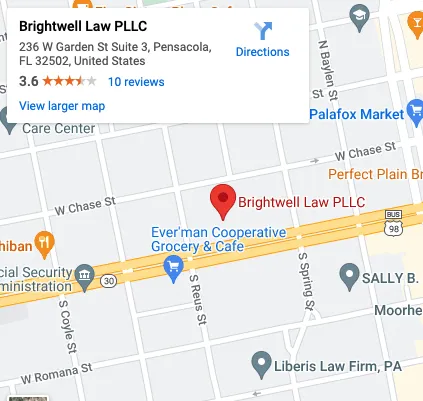
Our office is in Pensacola, Florida, and we serve all of Escambia and Santa Rosa Counties. We am dedicated to satisfying our clients and to making their experience with the law a happy one. Please contact Brightwell Law PLLC today if you have any questions or need the assistance of an experienced Florida will and probate attorney.