Estate Planning Lawyer in Pensacola, Florida

Many people put off writing their wills or creating a trust. Then, when they finally get around to it, they are surprised at how relieved they feel. With the help of a competent Florida estate planning lawyer, you can create a good estate plan that will protect your assets and secure your family’s future.
It is satisfying to know that your wishes will be carried out, that your property will go where you want it to go, and that your heirs will be taken care of. Here at Brightwell Law PLLC, I enjoy helping my clients get that feeling of satisfaction.
Why Do I Need an Estate Planning Lawyer in Pensacola, FL?
Having an estate plan in place is critical for many. Estate planning can provide peace of mind and comfort if something inevitable should happen. You need a credible Pensacola estate planning attorney who can provide you with the legal advice you need when making a plan for your future.
At Brightwell Law PLLC, I can help you with your estate plans, whether you are writing a simple will or whether you have complex trusts. I use my Florida estate planning experience and skills to anticipate and prevent problems and to help ensure that your wishes are carried out exactly the way that you want. I also assist clients with probate and estate administration, helping to resolve any conflicts and ensuring that my clients’ interests are protected. Call Brightwell Law PLLC now to start the process of creating an estate plan.
What is Estate Planning?
Estate planning determines how your assets will be managed and distributed after death or in the event you become incapacitated. It is an important step you can take to protect the best interests of your family. Planning provides time to carefully consider and review estate decisions and to create tailored plans that preempt any disputes.
A well-prepared estate plan ensures that your wishes are followed after your death, your family is spared unnecessary expense and delay, and that someone you trust will be in charge if you ever become unable to manage things on your own. A reliable estate planning lawyer in Pensacola FL can help make sure your estate plan is effective and able to withstand the challenges that may arise during probate administration.
What is Included in an Estate Plan?
Several documents make up a good estate plan. Each is important in its own way, and together they form a powerful representation of your final wishes. The various forms of estate plans have their unique features and benefits. A skilled Pensacola estate planning lawyer can help you create an estate plan that suits your needs.
Estate planning is more than just dividing your wealth. An estate plan can also be used to name a guardian for a minor child, make charitable contributions, ensure that dependents are provided for, and more. As such, a well-prepared estate plan might include many of the following:
Will
Wills are the most common and well-known form of an estate plan. A will is a legal document that expresses your last wishes for the distribution of your property or other assets. If you have minor children, your will should contain your desired guardians for them.
Wills can be changed at any time during your life. Therefore, creating one now is highly advisable, even if you think your mind may change in the future. While you can create your own will, it is highly advisable to consult with an experienced attorney to make sure your estate planning document will achieve your desired intent.
Trust
A trust is another estate planning tool often used to manage a property and avoid burdens from estate taxes. It is an efficient way to pass on your estate without the need for a lengthy and sometimes contentious probate process. It can either be created during a person’s lifetime or after death by a will.
The assets held by a trust can be used to pay for necessary medical, educational, and health-related expenses of the beneficiary of the trust. Because a trust is designed to exist for a certain period, the courts require that a trustee be chosen to administer and be responsible for the management of the trust.
Living Will
Living wills are an essential part of estate planning. A living, also called an advance directive, is a written statement that you complete in advance of a serious illness. It is a document that spells out your wishes for the time in which you are unable to make your own personal, financial, and health decisions. The time in which you are incapable of caring for your own affairs may either be temporary or permanent. Having an advanced directive in place helps to ensure that your wishes are carried out, even if you are unable to express these wishes verbally.
Power of Attorney
A power of attorney (POA) is a legally binding document that allows you to appoint someone to manage your property, medical, or financial affairs. It is essential if you’re incapacitated or not physically present to make decisions on your behalf. The POA gives the attorney-in-fact the power to make decisions about your affairs. The decision-making power of an attorney-in-fact takes effect at different times depending on which POA you choose.
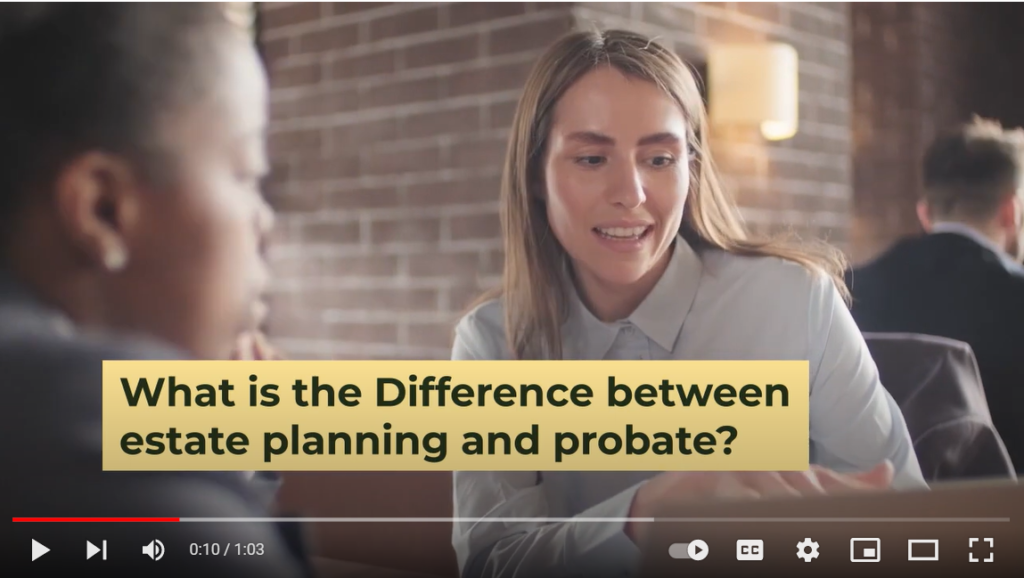
What is the Key Difference between Estate Planning and Probate?
In this video, Attorney William Brightwell talks about the key difference between the process involved in estate planning and probate. The Florida estate planning attorney stressed the importance of having an estate plan to ensure your preferences are applied should you become incapable or pass away.
Call Our Experienced Estate Planning Lawyer in Pensacola, FL Now!
While it may be a difficult topic to think about, estate planning is important to everyone. It can be a hard conversation to have with family, but if you pass away without an estate plan in place, your family members may be left to sort out a legal dispute in court. Dying without an estate plan puts your legacy at risk and may leave your loved ones without the assets you wanted them to have.
To ensure your final wishes are respected and the people you love receive what you intend to leave them, you need a seasoned Pensacola estate planning lawyer by your side. At Brightwell Law PLLC, we can help you review the advantages of each estate planning document that works best for your unique situation in place.
Our estate planning law firm can assist you in creating a comprehensive estate plan or updating an existing plan:
- Wills
- Trusts
- Durable Power of Attorney
- Health Care Surrogate
- Living Wills
- HIPPA Release Forms
Other Services:
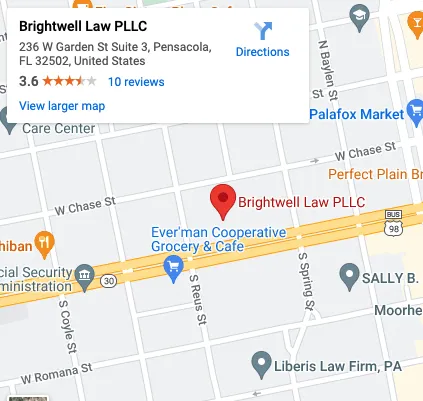
Our office is in Pensacola, Florida, and we serve all of Escambia and Santa Rosa Counties. We are dedicated to satisfying our clients and to making their experience with the law a happy one.
Please contact our Florida law firm today if you have any questions or need the assistance of an experienced Florida estate planning attorney attorney.